

Compassionate Probate & Trust Administration Guidance
Estate Administration Attorneys in Rocklin, California
Administering a loved one’s estate can feel overwhelming, especially when you’re grieving and trying to navigate legal requirements at the same time. Whether you’re serving as a trustee or a personal representative in a probate case, your role carries important responsibilities—and potential personal liability if mistakes are made. At Filippi Law Firm, P.C., we provide step-by-step guidance through both probate and trust administration. Our attorneys help you understand your duties, meet legal deadlines, and manage every task with confidence, accuracy, and support.
Get a Free Consultation Today
Or Call Us
Proven Trust & Recognition
Where Legal Excellence Meets Personal Care
100+ 5-Star Google Reviews
Trusted by Northern California Families & Businesses
Award-Winning Legal Team Committed to Your Peace of Mind
Estate administration often comes during an emotional time. Our attorneys provide clear explanations, compassionate guidance, and hands-on support to help you manage your responsibilities while avoiding costly errors and delays.
How We Can Help
Estate Administration Services in Rocklin, CA
We assist executors, personal representatives, and trustees with every step of probate and trust administration. From notices to creditors and tax filings to asset distribution and legal compliance, our firm ensures the estate is handled properly and efficiently.
Probate Administration
Probate involves validating the will, identifying and valuing assets, paying debts, notifying creditors, filing required tax forms, and distributing the remaining assets to beneficiaries. It’s a detailed process with strict court deadlines and legal requirements. We guide personal representatives through each step, helping you stay compliant and avoid personal liability. Whether the estate is simple or complex, we assist with every aspect of the probate process.
Trust Administration
If you were named as a successor trustee, you are responsible for managing trust assets, communicating with beneficiaries, paying taxes, settling final bills, and distributing property according to the trust instructions. Trustees can be held personally liable for mistakes, making legal guidance essential. We help you carry out your duties correctly and efficiently—minimizing stress while ensuring the trust is administered in full compliance with California law.
Fiduciary Guidance for Trustees & Executors
Both trustees and personal representatives act in a fiduciary role, meaning they must act responsibly, ethically, and in the best interest of beneficiaries. Our attorneys help you understand these obligations, stay organized, handle required notices, and shield yourself from unnecessary legal exposure.
Understanding the Process
Probate vs. Trust Administration: What’s the Difference?
Probate is a court-supervised process required when a person dies with assets in their name alone. Trust administration, in contrast, occurs outside of court and typically moves more quickly and privately. Both processes involve inventorying assets, paying debts, handling taxes, and distributing property—but the steps differ. We help you understand the requirements for your situation and ensure everything is completed correctly.
Even well-prepared estates require careful management. Trustees must send formal notices, secure assets, prepare tax filings, handle creditor claims, and follow the trust instructions precisely. Personal representatives face similar obligations in probate. Our firm guides you through each stage and helps streamline the process while avoiding delays, disputes, and mistakes.
Schedule a Free Consultation
Ready to Get Started?
Whether you’re administering a trust or navigating the probate courts, you don’t have to manage it alone. Schedule a free consultation today and let our attorneys help you handle the estate efficiently and with confidence.
Our Process
What to Expect When Administering an Estate With Filippi Law Firm
We walk you through every step of probate or trust administration so you can fulfill your responsibilities with clarity and confidence.
01
Review the Estate & Your Role
We discuss the estate details, identify your responsibilities, and explain whether the matter requires probate or trust administration.

02
Notices, Inventory & Tax Compliance
Our team helps prepare required notices, identify and secure assets, obtain valuations, and ensure all tax obligations are met.

03
Managing Debts & Beneficiary Communications
We guide you through paying valid debts, disputing improper claims, and keeping beneficiaries informed throughout the process.

04
Final Distribution & Closing the Estate
We assist with preparing final reports, distributing assets, and completing the legal steps required to close the estate properly.

What Sets Us Apart
Why Choose Filippi Law Firm, P.C.?
Comprehensive Expertise
From planning and administration to litigation, we handle every aspect of estate law under one roof
Local Knowledge
Based in Rocklin, we understand California’s unique estate, tax, and probate laws
Personalized Service
Every client receives hands-on attention and clear communication from start to finish
Free Consultations
Get advice and clarity with no upfront cost — in person, over the phone, or via Zoom.
When you choose Filippi Law Firm, you’re not just hiring an attorney, you’re gaining a long-term partner dedicated to protecting your family’s future.
Meet Our Team
Our Trusted Estate Planning Attorneys
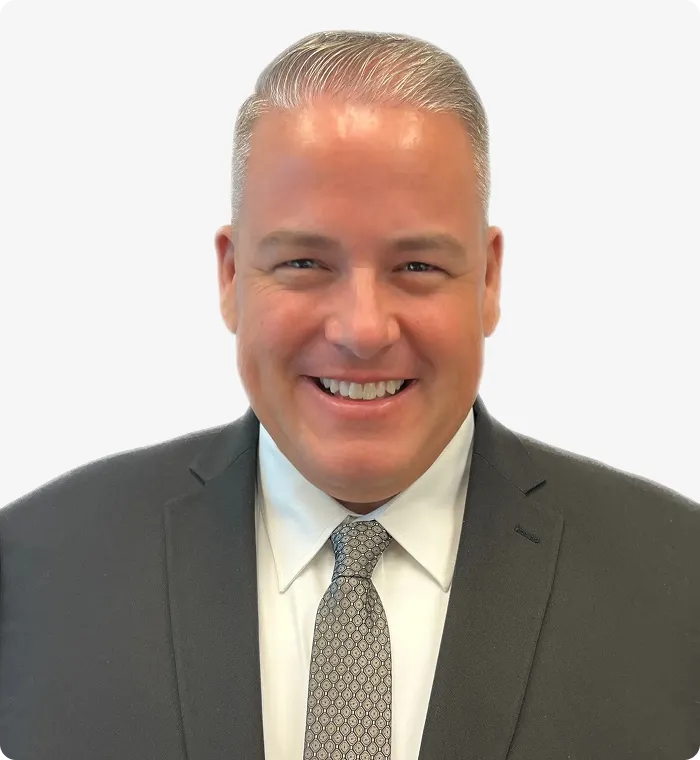
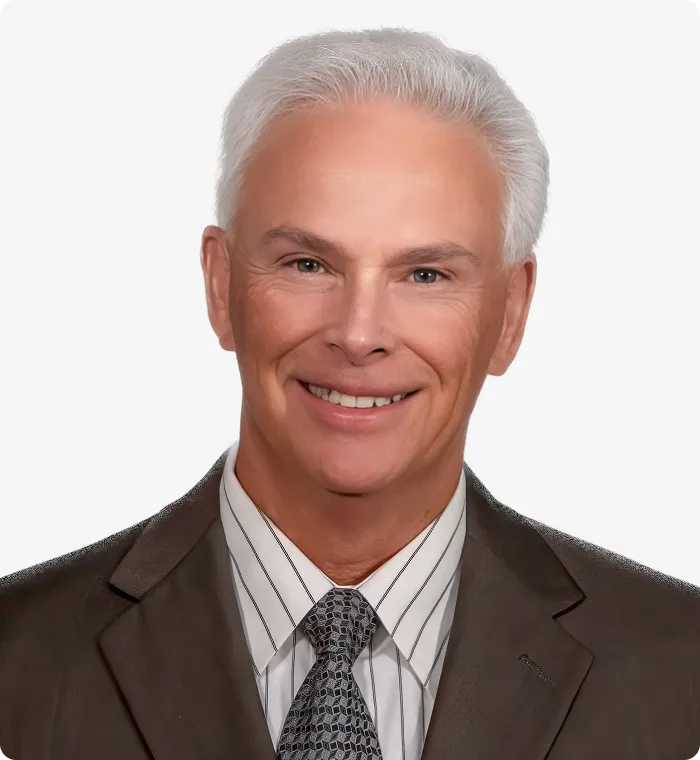
Our team of experienced estate attorneys brings years of experience in both transactional and litigation matters. We take pride in building lasting relationships with clients throughout Northern California.






Testimonials
Client Reviews
FAQ’s
Estate Law Frequently Asked Questions
Estate Planning Resources
Learn More About Estate Administration
Stay informed with our latest insights related to probate and trust administration:
-

When Should You Update Your California Estate Plan? 12 Triggers That Mean It’s Time
Once you’ve created a California estate plan, you may think you never have to look at it again. The reality…
-
QTIP Trusts in California: Protecting a Second Spouse Without Disinheriting Your Kids
A Qualified Terminable Interest Property (QTIP) trust is a type of marital trust authorized under state law. It lets you…
-

Estate Planning for Unmarried Couples in California
Unmarried couples often encounter unique challenges and misconceptions when it comes to estate planning. The law generally defaults in favor…



Areas We Serve
Estate Administration Services Across Northern California
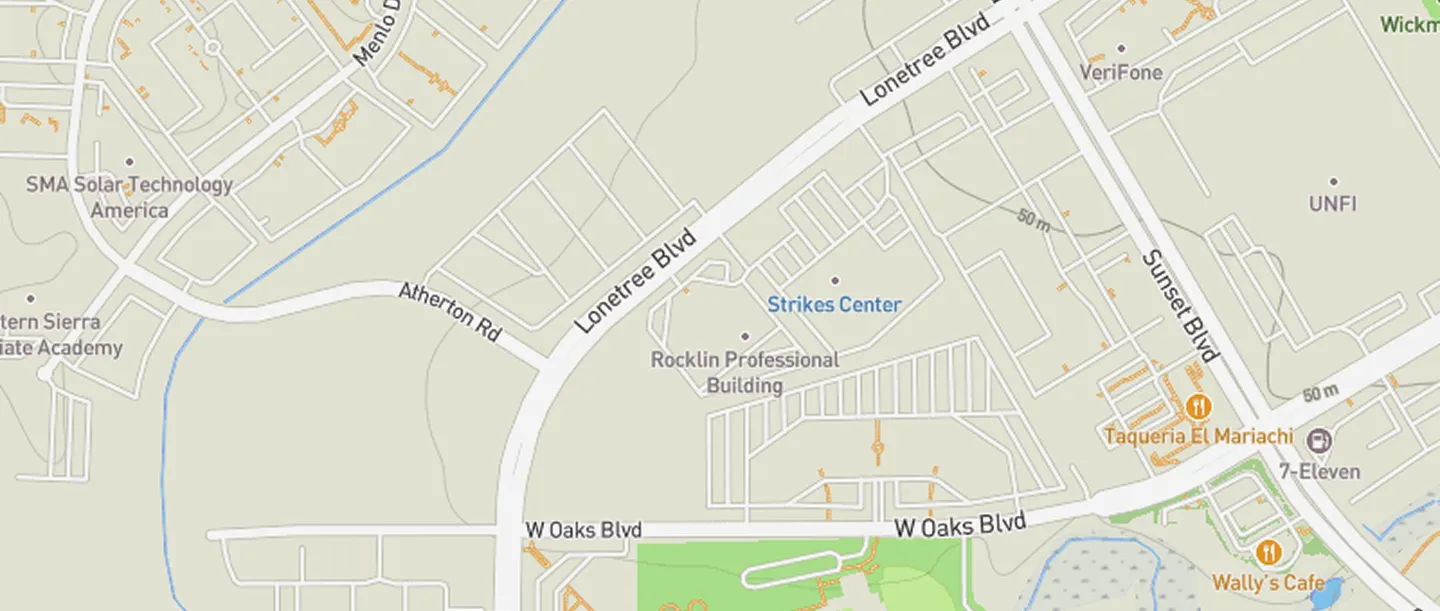
We assist trustees and personal representatives throughout Rocklin and nearby communities, including Roseville, Lincoln, Granite Bay, Loomis, Citrus Heights, Antelope, and select areas of Sacramento.

Contact Us
Start Planning Your Legacy Today
If you’re facing probate or trust administration, our attorneys are ready to help you handle the process with confidence and care.